

Xoilac TV - Trực tiếp bóng đá miễn phí - Link Xôi Lạc TTBD























Mục Lục
Xoilac TV – trang web phát sóng bóng đá trực tiếp không thu phí của người dùng hot nhất năm 2025. Đây cũng là một trong những kênh được yêu thích và có số lượng khách hàng truy cập đông đảo. Nếu muốn trải nghiệm nền tảng, mời bạn đọc hãy cùng chúng tôi khám phá ngay bài viết bên dưới!
Tổng quan thông tin về nền tảng Xoilac TV 2025
Xôi Lạc TV là trang web chuyên phát sóng trực tiếp các trận đá bóng đỉnh cao trên toàn thế giới. Đặc biệt trong thời đại công nghệ số đang phát triển như hiện nay, đa số người dùng đều lựa chọn theo dõi thể thao thông qua điện thoại, máy tính,… thay vì cách xem truyền thống trên TV như trước. Không chỉ vậy, để theo dõi trận đấu thì bạn cần truy cập vào Xoilac TV uy tín chất lượng cao.
Đó cũng chính là lý do nền tảng Xoi Lac được ra đời và phục vụ hàng triệu cổ động viên tại Việt Nam. Đứng sau hệ thống này đều là các chuyên gia bóng đá hàng đầu cùng nhiều kỹ thuật viên IT chuyên nghiệp. Vì vậy, website đã phát triển cực nhanh và áp dụng công nghệ phát sóng mới nhất. Đảm bảo khi truy cập vào đây, bạn sẽ tìm được đường link trận đấu mình yêu thích cực dễ dàng.
Sơ lược thông tin chung về trang Xoilac TV 2025
Đánh giá chất lượng phát sóng của Xoilac mới nhất
Khi người dùng truy cập vào trang web Xôi Lạc TV đảm bảo sẽ phải bất ngờ ngay từ lần đầu. Bởi hiện nay, thương hiệu đang không ngừng cải tiến và cung cấp nhiều ưu điểm đặc sắc nhất phục vụ cho những khách hàng đam mê thể thao. Bao gồm:
Xem bóng đá miễn phí
Ưu điểm đầu tiên mà chúng ta không thể bỏ qua mỗi khi nhắc đến nền tảng Xoi Lac TV đó chính là tính năng phát sóng trận đấu miễn phí. Với mục tiêu xây dựng sân chơi đưa người dùng Việt đến gần hơn với đam mê, hệ thống hiện tại không thu bất kỳ khoản phí nào dành cho bạn. Do vậy, chúng ta có thể thỏa sức truy cập khám phá trận đấu một cách trọn vẹn mà không cần lo lắng về tài chính.
Hình ảnh phát sóng tại Xoilac TV sắc nét
Nhờ sự đầu tư chỉn chu về công nghệ phát sóng cùng hệ thống server hiện đại nên nền tảng cam kết mang đến kho hình ảnh chất lượng cao cực kỳ sắc nét. Điều này giúp mỗi khán giả truy cập đều có cảm nhận chân thực trước những màn giao chiến đầy kịch tính và pha bóng đặc sắc nhất.
Âm thanh sống động
Chưa hết, XoilacTV cũng xây dựng hệ thống âm thanh sống động và rõ ràng. Đảm bảo tái hiện đầy đủ từng tiếng hò reo, cổ động, tiếng trống nhiệt tình trên sân cỏ. Điều này hứa hẹn mang đến trải nghiệm chân thực và rõ ràng cho mỗi khán giả. Nhờ đó, chúng ta sẽ có cảm giác như đang góp mặt trực tiếp ở sân vận động để cổ vũ cho đội tuyển mình yêu thích.

Đánh giá hệ thống âm thanh phát sóng tại Xoilac
Nói không với quảng cáo chen ngang trận
Tính năng đặc biệt tiếp theo mà chúng tôi muốn đề cập đến trong bài viết này đó chính là không có quảng cáo chen ngang. Thấu hiểu được nhu cầu giải trí, theo dõi bóng đá của người dùng cũng như sự phiền toái khi các video xuất hiện giữa chừng trận làm gián đoạn nên nền tảng đã khắc phục hoàn toàn điều này.
Nhờ vậy, đảm bảo người dùng có thể theo dõi một cách mượt mà các trận bóng đá mình yêu thích. Đồng thời trong những khoảnh khắc căng thẳng, Xoilac TV cam kết không xuất hiện quảng cáo chen ngang gây gián đoạn và khó chịu cho cổ động viên.
Không xảy ra giật lag tại Xoilac TV
Tuy đây là một trong những nền tảng cho phép người dùng theo dõi bóng đá miễn phí nhưng chất lượng mà website cung cấp lại vô cùng vượt trội. Theo đó, khi theo dõi bạn sẽ tuyệt đối không bắt gặp tình trạng giật lag xảy ra ở các giải đấu lớn nhiều người quan tâm. Ngay cả khi lượng truy cập máy chủ cực đông thì hệ thống vẫn có thể phát sóng một cách mượt mà nhất.
Đa dạng link dự phòng
Nền tảng phát sóng trực tiếp bóng đá đảm bảo cung cấp đầy đủ các đường link theo dõi chất lượng cao. Hiện tại đơn vị cũng đang áp dụng công nghệ tân tiến để xây dựng hệ thống server hiện đại. Chính vì thế, đảm bảo khán giả khi truy cập đều được theo dõi trận cầu đỉnh cao mà không lo lắng xảy ra tình trạng giật lag hay quá tải.

Theo dõi bóng đá chuyên nghiệp cùng Xoilac TV
Bình luận viên chuyên nghiệp
Ngoài được xem bóng đá trực tiếp với chất lượng phát sóng đỉnh cao thì mọi người còn có thể chìm đắm hoàn toàn vào trận đấu nhờ sự dẫn dắt tài tình từ các bình luận viên chuyên nghiệp. Họ không chỉ sở hữu chuyên môn, kỹ năng cao mà còn mang giọng điệu truyền cảm pha chút hài hước. Nhờ đó mỗi trận đấu càng thêm phần đặc sắc, dễ hiểu và thú vị hơn bao giờ hết.
Theo dõi bóng đá đa thiết bị
Nếu như trước đây chúng ta có thể xem trực tuyến bóng đá trên TV khi không di chuyển đến sân vận động được thì ngày ngay, bạn hoàn toàn được phép sử dụng thêm đa thiết bị khác. Theo đó, chỉ cần trang bị cho mình điện thoại, máy tính bảng, laptop, Smart TV,… có kết nối mạng và truy cập vào Xoilac TV là ngay lập tức toàn bộ hệ thống giải đấu sẽ hiện ra nhanh chóng.
Một vài chuyên mục hấp dẫn khác hiện có tại Xoilac TV
Để chuẩn bị cho mùa bóng đá sắp tới và hưởng chung bầu không khí sôi động của các CĐV Việt, nền tảng tự hào là kênh phát sóng trực tiếp đỉnh cao nhất. Bởi khi truy cập, bạn không chỉ có cơ hội theo dõi đội tuyển mình yêu thích mà còn được sử dụng nhiều tính năng bổ trợ mà hệ thống mang đến như:
Lịch thi đấu
Tính năng đầu tiên phải đề cập đến tại trang chủ đó chính là lịch thi đấu. Xoilac TV sẽ giúp khán giả biết được lộ trình của đầy đủ các giải đấu bóng đá trên toàn thế giới hiện nay một cách chi tiết nhất. Đồng thời hệ thống cũng cam kết cập nhật chuẩn thông tin về: thời gian bắt đầu, đội hình dự kiến ra sân,…
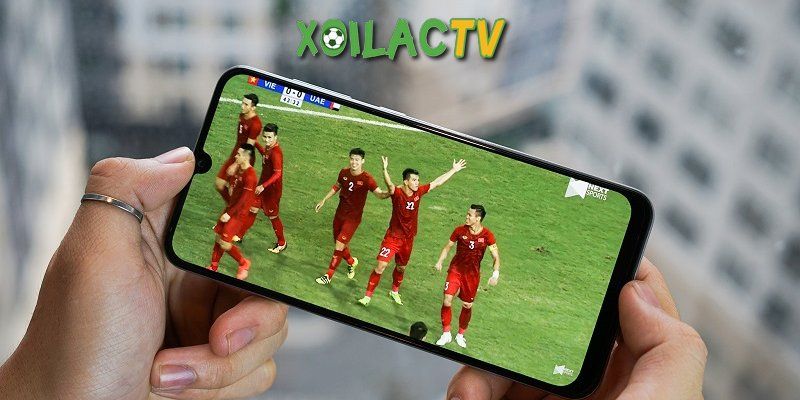
Một số tính năng đặc sắc của trang bóng đá
Bảng xếp hạng
Người xem bóng đá trực tuyến trên trang còn có thể nắm rõ thông tin về bảng xếp hạng của bất kỳ giải đấu lớn nhỏ nào mình yêu thích với quy mô trên toàn cầu. Trong BXH hệ thống cập nhật cũng bao gồm đầy đủ dữ liệu quan trọng chuẩn xác cơ bản như: vị trí, điểm số, số vòng thi đấu, hiệu số thắng thua, thành tích gần nhất,…
Kết quả bóng đá tại Xoilac TV
Ngoài những thông tin cơ bản trên, đơn vị còn mang cập nhật đầy đủ thông tin về kết quả bóng đá dành cho khách hàng. Nhờ vào dữ liệu này, bạn có thể dễ dàng đưa ra cái nhìn tổng quát nhất cho đội tuyển mình yêu thích cũng như dự đoán thứ hạng chính xác hơn.
Tin tức thể thao
Khi xem bóng đá tại đây, mọi người đảm bảo sẽ nắm được đầy đủ tin tức thể thao mới nhất trong nước cũng như ngoài nước. Các dữ liệu này đều cập nhật đa dạng, chính xác như: giải đấu, cầu thủ, trước trận, huấn luyện viên, chuyển nhượng, bên lề sân cỏ,… Thêm vào đó, Xoilac TV cam kết cập nhật mọi thông tin luôn sớm hơn hẳn trang web khác để bạn nắm rõ tình hình đội bóng trong tay.
Nhận định bóng đá
Các kiến thức về nhận định bóng đá cũng là một trong những chuyên mục được người dùng đánh giá cao nhất hiện nay. Thông tin này đều đảm bảo update từ các chuyên gia hàng đầu giúp cổ động viên có thêm thông tin hữu ích khác nhằm đưa ra tỷ lệ kèo ăn tiền chuẩn xác nhất.
Khám phá tính năng nhận định bóng đá của nền tảng
So sánh Xoilac TV với những trang trực tiếp bóng đá 2025 khác
Chúng tôi có thể khẳng định, so với các nền tảng phát sóng trực tiếp bóng đá hiện đang nổi tiếng trên thị trường như: CakhiaTV, VeboTV, RakhoiTV, 90Phut, Socolive thì XoilacTV vẫn tự hào là nền tảng cung cấp dịch vụ chất lượng cao hàng đầu Việt Nam. Bởi đơn vị hiện đang sở hữu vô số ưu điểm mà ít có website bóng đá nào đáp ứng được điển hình như:
- Cung cấp đầy đủ các đường link xem cho toàn bộ giải đấu lớn nhỏ trên toàn quốc. Thêm vào đó dù bóng đá nữ hay những bộ môn thể thao khác như: quần vợt, tennis, bóng bàn,… thì bạn đều có thể dễ dàng tìm thấy với Xoilac TV.
- Tất cả đường link phát sóng đều được cập nhật sớm trước khi trận đấu diễn ra khoảng 1 tiếng để khách hàng chọn ra địa chỉ xem phù hợp với thiết bị nhất.
- Các đường link đều cung cấp trận đấu bóng đá với chất lượng hình ảnh full HD sắc nét đảm bảo tính chân thực cực cao và fit hoàn toàn với màn hình thiết bị. Đương nhiên, người dùng cũng được phép điều chỉnh âm lượng hay độ phân giải tuỳ thuộc vào nhu cầu theo dõi riêng.
So sánh Xoilac TV cùng các trang web bóng đá 2025 khác
FAQs – Giải đáp thắc mắc của người xem tại Xoilac hiện nay
Dưới đây là một vài thắc mắc của người dùng khi lần đầu truy cập vào Xoilac TV được tổng hợp đầy đủ mời bạn đọc cùng tham khảo ngay. Bao gồm:
Theo dõi bóng đá tại đây có mất phí gì không?
Câu trả lời là không. Khách hàng được xem trực tiếp bóng đá trên nền tảng và hoàn toàn không cần phải nạp thêm bất kỳ một khoản phí phụ thu nào. Tuy nhiên hệ thống vẫn đảm bảo cung cấp chất lượng phát sóng đỉnh cao nhất, đảm bảo giúp bạn thỏa mãn nhu cầu thể thao cá nhân của mình.
Xoilac TV có giới hạn IP khi xem bóng đá không?
Hiện tại trang web không áp dụng bất kỳ chính sách nào phổ biến về việc giới hạn địa chỉ IP khi xem bóng đá. Nhờ vậy mà bạn có thể thưởng thức dễ dàng trận đấu mình yêu thích dù đang ở bất kỳ địa điểm nào.
Xoilac có tính năng gì đặc biệt khác?
Một tính năng đặc biệt khác dành cho những ai hâm mộ trận đấu bóng đá nhưng không có thời gian theo dõi và bỏ lỡ mất đó chính là video highlight. Tại đây hệ thống sẽ cập nhật đầy đủ các pha bóng đỉnh cao và đặc sắc để người xem theo dõi nhanh chóng lại diễn biến vô cùng dễ dàng.
Trên đây là toàn bộ thông tin giới thiệu và đánh giá chi tiết về trang web phát sóng bóng đá Xoilac TV nổi tiếng. Còn chần chừ gì mà không nhanh chóng truy cập ngay hôm nay để có cơ hội thưởng thức các trận đấu đỉnh cao nhất. Cảm ơn bạn đã quan tâm!